

Voice Vitality Loss
What is Voice Vitality Loss (Presbylarynx)?
Many people notice at some point that their voice is no longer the same as it used to be.
Conversations become more effortful. The voice may sound thinner, rougher, or less resonant. People may ask you to repeat yourself more often, and situations involving several conversation partners may increasingly be avoided.
This is not necessarily a disease in the traditional sense. In many cases, it reflects natural changes in the vocal folds and the larynx. The vocal folds may become thinner and lose volume. As a result, they no longer close with sufficient strength during voice production, leading to changes such as hoarseness, vocal effort, and, in many cases, a higher speaking pitch.
We call this condition: Voice Vitality Loss.
Anyone who has experienced this kind of decline in voice quality quickly realizes how much participation in social life depends on our most important communication tool: the voice.
Although these changes often occur with age, younger people may also be affected. In men in particular, this may result in a higher, less resonant, and strained voice, with a limited ability to increase vocal loudness.
A patient with an aged voice
Symptoms of Voice Vitality Loss
Symptoms often include:
-
Reduced vocal volume
-
Higher-pitched voice
-
Breathy, „thin“ sound
-
Increased effort required to speak
-
Vocal fatigue
-
Difficulty communicating in noisy environments or over the phone
Treatment
Treatment typically begins with voice therapy led by a speech-language pathologist. Therapy focuses on improving vocal technique and breath support, often resulting in better vocal volume, quality, and endurance.
In some cases, vocal cord augmentation may be recommended. This procedure involves injecting a filler into one or both vocal cords to restore their shape, improving closure and reducing strain. Specialists often perform this minimally invasive procedure in a clinic setting under local anesthesia.
Lack of volume of the vocal cords
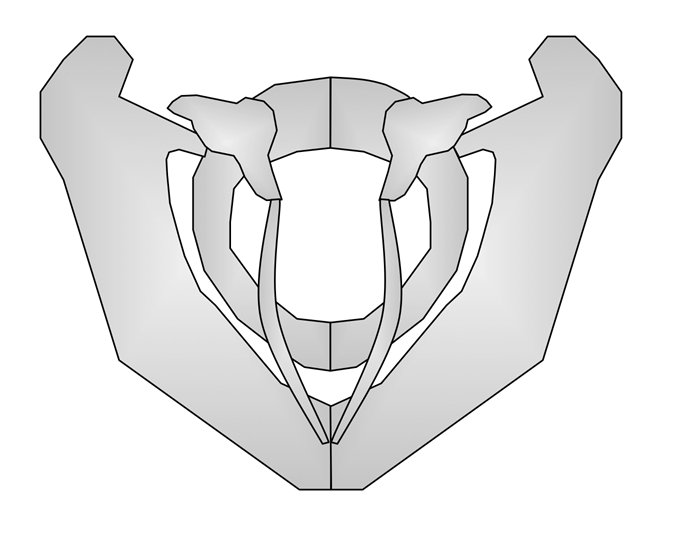
Mostly with age vocal folds may tend to get thinner and in laryngeal examination, the vocal folds cannot close tightly enough for easy voicing (glottic incompetence). Accordingly, the voice may be perceived as strained, pressed, dry, high-in-pitch, and effortful.
In the so-called aged voice, the vocal folds are thinner and have little volume. While making a voice the vocal folds can’t come together with sufficient pressure when and a change in voice with hoarseness, vocal effort and often increased speaking pitch is hearable. It is called vocal fold bowing.
Augmentation
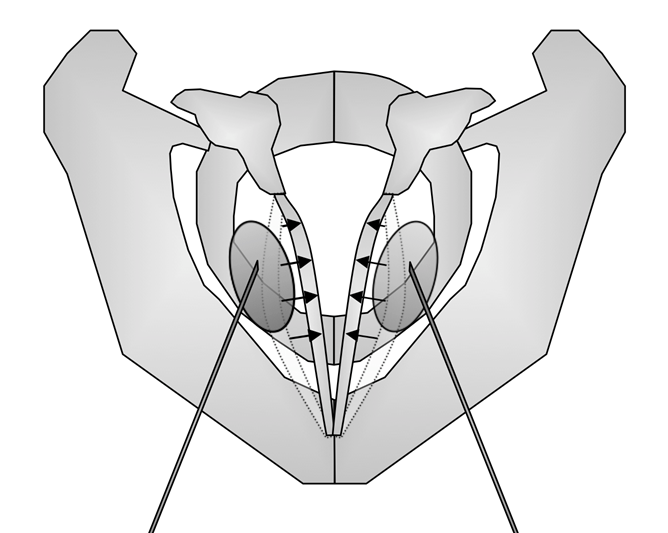
The therapy is a filling (augmentation) of the vocal folds. It is an surgical increase of the volume of the vocal folds. Artificial materials (e.g. hyaluronic acid) or the body’s own fat can be used for implantation.
The outpatient surgery under general anesthesia takes about 60 minutes. Postoperative vocal rest is not required. In America, this procedure is called a „voice lift“, comparable to the „face lift“. However, this treatment of the aged voice is not a cosmetic procedure and it certainly does not lead to an increase in the speaking voice. We therefore consider the term ‚voice lift‘ to be inappropriate.
Prof. Hess and his team have already helped hundreds of patients regain their quality of life and enjoyment of life.
From a cerrtain age on vocal folds no close completely.
Augmentation will help that the vocal folds will close again
A strong voice knows no age
Shortly after the procedure, many patients report:
✓ increased volume
✓ less effort when speaking
✓ improved intelligibility
✓ greater endurance
✓ more confidence in everyday life
Your voice is an essential part of your personality.
With modern diagnostic tools, targeted voice therapy, and voice-enhancing surgery, we’ll help you speak again with strength, presence, and joy.